

Evaluating the Impact of Ganga Mahotsav, Ganga Aarti, and Ganga Dussehra as Awareness Events under the National Mission for Clean Ganga (NMCG)
Shubham Kushwaha[1]
Dr Kaushal Tripathi[2]
Abstract
The River Ganga holds immense cultural, spiritual, and ecological significance in India. However, increasing pollution, rapid urbanization, and unsustainable human activities have severely affected the ecological health of the river. In response, the Government of India has launched several conservation initiatives, including the Namami Gange programme, which integrates public awareness and community engagement into river conservation strategies. Governments use Religious and cultural events, such as Ganga Aarti, Ganga Utsav, and Ganga Dussehra, to disseminate environmental messages and mobilize public participation. This study examines the role of these events in promoting environmental awareness and influencing behavioral change toward river conservation. The study adopts a mixed-method research design using both primary and secondary data. Through a structured survey conducted among 300 respondents in major pilgrimage cities along the major cities situated on the bank of Ganga, such as Rishikesh, Prayagraj, and Varanasi. The study concludes that faith-based environmental initiatives have considerable potential to promote public engagement in river conservation. Strengthening community participation and improving waste management along the river.
Keywords: River Conservation, Environment Communication, Media Strategies, Event.
1.1 Introduction
The River Ganga occupies a central place in India’s cultural, religious, and ecological landscape. Revered as a sacred river and often personified as a goddess, the Ganga has historically shaped the social, spiritual, and economic life of millions of people across the Indian subcontinent. Beyond its physical role as a major freshwater resource, the river carries deep symbolic significance within Hindu traditions, where its waters are believed to purify the body and soul and facilitate spiritual liberation (Mallet, 2017;Chopra Dhananjay, 2023). Ritual practices associated with the river, including pilgrimage, ceremonial bathing, and the immersion of funeral ashes, have long reinforced the Ganga’s sacred status within Indian cultural consciousness. Through these practices, the river and its tributaries form a complex network of cultural and ecological interdependence that binds communities to the river system (Baca & Anne, 2015; Rao, 2022).
Despite this profound reverence, the ecological health of the Ganga has deteriorated significantly over the past several decades. Rapid urbanization, industrial discharge, agricultural runoff, and inadequate waste management systems have contributed to severe pollution and environmental degradation (Jhariya & Kumar Tiwari, 2020). In addition, excessive extraction of water for irrigation and hydropower projects has reduced the river’s natural flow, thereby limiting its ability to dilute pollutants and maintain ecological balance (Shukla et al., 2021). Religious activities along the riverbanks, while rooted in devotion, sometimes contribute to environmental stress through the disposal of ritual materials such as flowers, offerings, and ashes into the water(Chaurasia et al., 2024). These developments have transformed the Ganga from a symbol of spiritual purity into one of the most environmentally threatened rivers in the world, highlighting the urgent need for integrated conservation strategies that address both ecological and cultural dimensions of river management.
Recognizing the growing environmental crisis, the Government of India initiated several policy interventions aimed at restoring the health of the Ganga River. One of the earliest major initiatives was the Ganga Action Plan (GAP), launched in 1985 to reduce pollution and improve water quality through the construction of sewage treatment infrastructure. Although GAP Phase I and Phase II expanded sewage treatment capacity and included major tributaries such as the Yamuna, Damodar, and Gomti rivers, the overall ecological improvement remained limited (Roy & Basu Roy, 2017; CAG, 2017). The primary limitation of these programmes was their narrow focus on sewage treatment, whereas the challenges affecting the river were far broader and included industrial pollution, solid waste disposal, and unsustainable patterns of human activity along the river basin.
In response to these shortcomings, the Government of India launched the Namami Gange programme in 2014 as a comprehensive national mission aimed at rejuvenating the river. Under this initiative, the National Mission for Clean Ganga (NMCG) was established to coordinate large-scale conservation efforts, including the expansion of sewage treatment plants, biodiversity conservation initiatives, riverfront development projects, and afforestation along the riverbanks(NMCG, 2018; Mehta & Jade, 2024). Unlike earlier programmes run by the GOI, Namami Gange emphasizes a multi-dimensional approach that combines infrastructure development with public awareness, community engagement, and behavioral change initiatives (Waititu & Government of Nakuru, 2021).
A distinctive feature of the Namami Gange programme is the strategic use of religious and cultural events as platforms for environmental communication and public mobilization. Events such as Ganga Aarti, Ganga Dussehra, and Ganga Utsav (also known as Ganga Mahotsav) attract large gatherings of devotees, pilgrims, and tourists at important riverfront cities, including Haridwar, Rishikesh, Prayagraj, and Varanasi. These events provide opportunities for government agencies, religious institutions, and civil society organizations to disseminate environmental messages related to river conservation. Through speeches, devotional music, public campaigns, and cultural performances, participants are encouraged to adopt environmentally responsible practices and support river-cleaning initiatives(Luthy, 2019; Rees, 2017).
Scholars have increasingly recognized the role of religious rituals as tools for environmental awareness. For instance, studies of Ganga Aarti ceremonies at pilgrimage centers show that devotional practices can simultaneously function as religious rituals and environmental campaigns aimed at educating the public about river conservation(Luthy, 2019). During these events, environmental messages are often integrated into sermons, performances, and educational activities designed to encourage audiences to reduce pollution and participate in conservation efforts. Such practices illustrate how religious symbolism and spiritual devotion can be harnessed to promote environmental awareness among diverse audiences.
From a theoretical perspective, the use of religious events for environmental awareness can be understood through the framework of faith-based environmentalism, which highlights the role of religious values, institutions, and rituals in shaping environmental attitudes and behaviors. Faith-based environmental initiatives rely on shared cultural beliefs and spiritual narratives to foster a sense of moral responsibility toward nature. When environmental issues are framed within religious narratives, such as portraying the Ganga as a sacred mother whose health must be protected, individuals may feel a stronger emotional obligation to engage in conservation activities(Khan et al., 2025; Pietz & Zeisler-Vralsted, 2021).
This phenomenon can also be interpreted through Collective Action Theory, which suggests that shared beliefs and social identities can mobilize communities to participate in collective efforts aimed at solving common problems. Religious gatherings, festivals, and rituals create opportunities for large groups of individuals to interact, share information, and coordinate action. In the context of Ganga conservation, religious events bring together thousands of participants, thereby creating a social environment in which environmental messages can spread rapidly and influence community behavior(Baca & Anne, 2015).
Also, the integration of environmental messaging into religious ceremonies reflects a broader model of state-led environmental governance, in which government institutions collaborate with religious organizations to mobilize public participation in environmental initiatives. Under programmes such as Namami Gange, religious leaders, spiritual organizations, and local communities often work alongside government agencies to promote conservation activities and environmental awareness campaigns.Another useful perspective for understanding the influence of these events is the concept of ritual as environmental pedagogy. Rituals are not merely symbolic acts; they also function as educational processes that shape participants’ perceptions, emotions, and behaviors. Through repeated participation in rituals such as Ganga Aarti or festival celebrations like Ganga Dussehra, individuals may develop stronger emotional connections with the river and a greater awareness of environmental responsibilities. This pedagogical dimension of ritual practices helps transform religious devotion into environmental consciousness(Bhatt Arvind & Rawat Sudhanshu, 2024; Kusuma Nazalea, 2023; Rees, 2017).
Together, these perspectives form a broader framework of Faith-Based Environmental Mobilization, which explains how religious events can influence public attitudes and behavior toward environmental conservation. Within this framework, religious rituals serve as emotional and symbolic triggers that link spiritual devotion to environmental responsibility (Moyer & Brandenbarg, 2021). The process can be conceptualized as a sequence in which religious rituals generate emotional attachment to the river, which in turn fosters environmental awareness, shapes behavioral intentions, and ultimately encourages participation in conservation activities. Conceptually, this process is represented as:
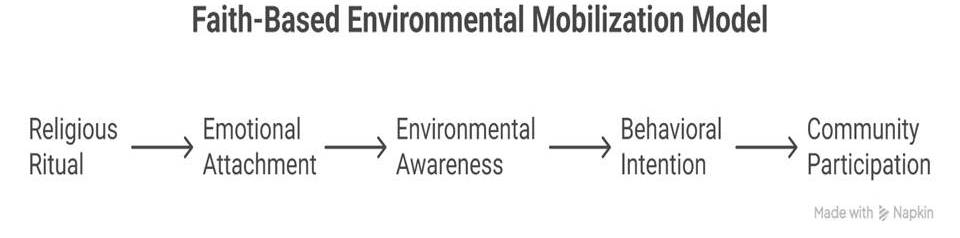 Figure 1.1: Model of faith-based environmental mobilization (Khan et al., 2025)
Understanding this relationship is particularly important in the context of large religious gatherings along the Ganga River, where millions of people participate in rituals and festivals each year. While these events have the potential to generate environmental awareness and encourage collective action, they also pose challenges related to crowd management, waste generation, and environmental pressure on fragile river ecosystems. Therefore, evaluating the effectiveness of such events as platforms for environmental awareness is essential for understanding their role in river conservation strategies. By examining the impact of events such as Ganga Aarti, Ganga Dussehra, and Ganga Utsav on public awareness and participation in conservation initiatives(Luthy, 2019; Network & Project, 2012).
The present study examines how religious and cultural events associated with the River Ganga function as platforms for environmental awareness and public mobilization. Specifically, it explores how events such as Ganga Aarti, Ganga Dussehra, and Ganga Utsav are utilized by government agencies and associated institutions to support river conservation efforts and encourage behavioral change among the public. Although these events are widely promoted as awareness programmes under initiatives such as the Namami Gange programme, it remains important to assess whether they effectively influence people’s environmental attitudes and practices.
To address this question, the study draws upon both primary and secondary data. Secondary sources, including scholarly literature, policy reports, and government documents, were reviewed to understand the broader context of faith-based environmental initiatives and river conservation efforts. In addition, primary data were collected through a field survey conducted in major pilgrimage cities along the Ganga—Haridwar, Rishikesh, Prayagraj, and Varanasi—where such events are regularly organized.
These cities are significant religious and cultural centers that attract millions of pilgrims and visitors each year, making them important locations for examining the relationship between religious practices, environmental awareness, and public participation in conservation initiatives. By analyzing the role of these events in shaping public awareness and participation, this study seeks to contribute to the growing scholarship on faith-based environmental governance and community-driven environmental mobilization in India.
2.1 Review of Literature
The ecological condition of the River Ganga has deteriorated significantly over the past several decades due to rapid urbanization, industrial discharge, agricultural runoff, and inadequate waste management practices. These factors have contributed to declining water quality and increasing ecological stress across the river basin (A. Kumar et al., 2021; NMCG, 2018; Roy & Basu Roy, 2017). The river supports the livelihoods and daily needs of nearly 43% of India’s population, making its environmental health crucial for both ecological sustainability and socio-economic stability(Jhariya & Kumar Tiwari, 2020; Chaurasia et al., 2024).Recognizing the urgency of the situation, the Government of India has launched programmes, such as the Ganga Action Plan (GAP) I &II, focused primarily on sewage treatment infrastructure but achieved limited success due to fragmented implementation and inadequate community participation (CAG, 2017). In response to these limitations, in 2014 the GOI launched the Namami Gange Programme, implemented by the National Mission for Clean Ganga (NMCG), which adopts a multi-dimensional approach combining pollution control, biodiversity conservation, afforestation, riverfront development, and public awareness initiatives ( NMCG, 2018).
Public engagement has become a central component of this programme. NMCG has introduced several awareness initiatives, including educational campaigns, river-cleaning drives, yoga events, and sports activities along the riverbanks aimed at strengthening public engagement with river conservation efforts (Mishra et al., 2021). Programmes such as Ganga Praharis (Ganga Guardians) mobilize local volunteers to monitor biodiversity, spread environmental awareness, and participate in conservation activities.
2.1 Religious Rituals as Environmental Awareness Platforms
The increasing role of religious institutions and cultural practices in promoting environmental awareness. In the context of the Ganga, rituals such as Ganga Aarti, Ganga Dussehra, and Ganga Utsav have emerged as important platforms for environmental communication and public engagement. Research by Tamara Luthy demonstrates that the daily Ganga Aarti performed at Parmarth Niketan Ashram in Rishikesh functions simultaneously as a religious ritual and an environmental awareness campaign. Through devotional music, sermons, symbolic performances, and public speeches, religious leaders incorporate environmental messages into ritual practices to encourage participants to avoid polluting the river and adopt environmentally responsible behavior. These rituals create a powerful sensory and emotional experience that strengthens participants’ attachment to the river and increases receptiveness to environmental messages(Luthy, 2019; Dutta, 2024).
Studies on pilgrimage tourism also suggest that sacred landscapes play an important role in shaping visitors’ environmental perceptions and behaviors (Shinde, 2012). Religious festivals held along the riverbanks attract thousands of pilgrims, providing an opportunity to disseminate conservation messages to large audiences. Events such as Ganga Utsav, organized annually by NMCG since 2017, combine cultural programmes, exhibitions, educational activities, and public campaigns to promote sustainable practices and raise awareness of river conservation.
However, scholars also note that large religious gatherings can create environmental pressures through waste generation, increased tourism activity, and infrastructure development at pilgrimage sites (Shinde, 2012). Therefore, the effectiveness of such events in promoting long-term environmental behavioral change remains an important area of investigation.
2.2 Faith-Based Environmental Movements: International Perspectives
Research from different regions demonstrates that religious institutions often play a significant role in environmental conservation movements.
Faith-Based Environmental Movements in Indonesia
In Indonesia, Islamic organizations have launched faith-based environmental programmes aimed at promoting sustainable practices among communities. The Eco-Pesantren movement encourages Islamic boarding schools to incorporate environmental education into religious teachings, linking ecological responsibility with Islamic ethical principles. Studies show that these initiatives have successfully mobilized local communities to adopt sustainable environmental practices (Mangunjaya& McKay, 2012).
River Restoration Festivals in Japan
In Japan, local governments and community groups organize river festivals that combine cultural traditions with environmental awareness campaigns. These events encourage public participation in river restoration activities and promote community stewardship of local ecosystems (Takeuchi et al., 2016).
Church-Based Conservation Initiatives in Latin America
In several Latin American countries, Christian churches have played an active role in environmental conservation movements. Church-based organizations have mobilized communities to protect forests, rivers, and biodiversity by framing environmental protection as a moral and spiritual responsibility (Deane-Drummond et al., 2011).
These global examples demonstrate that religious institutions and cultural traditions can serve as effective platforms for mobilizing public participation in environmental conservation efforts.
2.3 Policy Gap
Although programmes such as the Namami Gange Mission emphasize community participation and public awareness as essential components of river conservation, existing policies primarily focus on infrastructure development, particularly sewage treatment plants and pollution control technologies (CAG, 2017). Limited policy attention has been given to evaluating the effectiveness of awareness campaigns and faith-based initiatives in influencing public behavior.
Moreover, while religious events such as Ganga Utsav and Ganga Dussehra are widely promoted as awareness programmes, there is insufficient policy-level evaluation of their impact on environmental attitudes and behavioral change among participants. This lack of systematic assessment creates a policy gap in understanding how cultural and religious practices can contribute to sustainable river governance.
2.4 Research Gap
Existing studies on the Ganga primarily focus on environmental degradation, water quality monitoring, and pollution management. While some research explores the role of religious symbolism and rituals in environmental discourse, limited empirical studies examine the effectiveness of religious festivals as platforms for environmental awareness.
Specifically, no comprehensive empirical study has systematically evaluated the effectiveness of religious festivals organized under the Namami Gange programme in promoting environmental awareness and behavioral change among participants. Furthermore, most existing research emphasizes symbolic and cultural interpretations of rituals rather than measuring their impact on public participation in conservation activities.
3.3 Research Objectives:
- To examine the role of religious and cultural events such as Ganga Aarti, Ganga Utsav, and Ganga Dussehra in raising public awareness about the conservation of the River Ganga.
- To evaluate the extent to which participation in these events influences behavioral change and community participation in environmental conservation activities.
- To analyze how faith-based environmental initiatives organized under the Namami Gange programme contribute to public engagement in river conservation efforts.
4.1 Research Methodology
This study adopts a mixed-method research design combining both primary and secondary data to examine the role of religious and cultural events in promoting environmental awareness and behavioral change toward the conservation of the River Ganga. Secondary data were collected from academic journals, government reports, policy documents, and previous research related to river conservation, pilgrimage tourism, and faith-based environmental initiatives. Particular attention was given to official reports and publications related to the Namami Gange programme implemented by the National Mission for Clean Ganga (NMCG), which helped provide the theoretical and policy context for the study.
Primary data were collected through a structured questionnaire consisting of closed-ended questions designed to assess awareness levels, perceptions of environmental messages, behavioral intentions toward river conservation, and participation in environmental activities. The survey targeted pilgrims and visitors attending events such as Ganga Aarti, Ganga Utsav, and Ganga Dussehra.
Sampling
Field surveys were conducted at major pilgrimage centers along the Ganga, including Rishikesh, Prayagraj, and Varanasi, where these events are regularly held and attract large numbers of visitors. A random sampling approach was used to select respondents from diverse demographic backgrounds. In total, 300 participants were surveyed, with 100 respondents each from Rishikesh, Prayagraj, and Varanasi. This sample size is considered adequate in social science research for identifying general trends in public awareness and behavioral responses while ensuring balanced representation across key pilgrimage locations.The survey questionnaire consisted of 15 structured closed-ended questions divided into five sections, including demographic information, awareness of Ganga conservation, perception of religious events as awareness platforms, behavioral change, and participation in environmental activities.
5 .1 Data Analysis
Age Distribution of Respondents
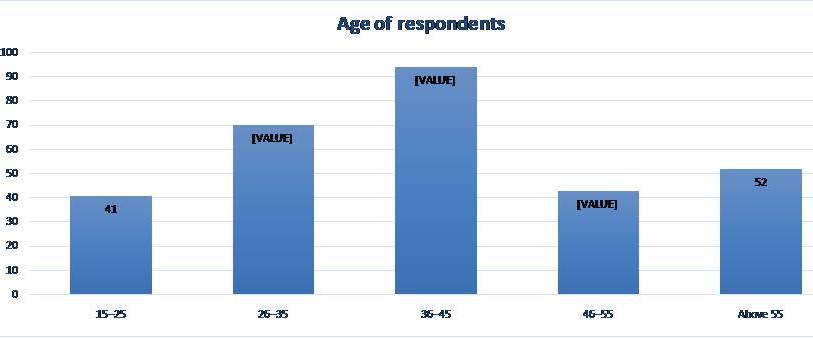
Figure 5.1: Age Distribution of Respondents
The age distribution of respondents indicates participation from diverse age groups. Among the 300 respondents, the 36–45 age group comprises the largest proportion, with 94 participants (31.3%). This suggests that middle-aged individuals have more interest in Ganga-related events. The age group of 26–35 includes 70 respondents which is (23.3%), showing substantial participation from young adults. Respondents above 55 years account for 52 participants (17.3%), indicating that older individuals also maintain a strong presence at these religious gatherings.The 46–55 age group represents 43 respondents (14.3%), while the 15–25 age group includes 41 respondents (13.7%), making it the least represented category in the sample.the findings suggest that Ganga-related religious and cultural events attract participants from multiple age groups, with a stronger representation of middle-aged individuals.
Gender Distribution of Respondents
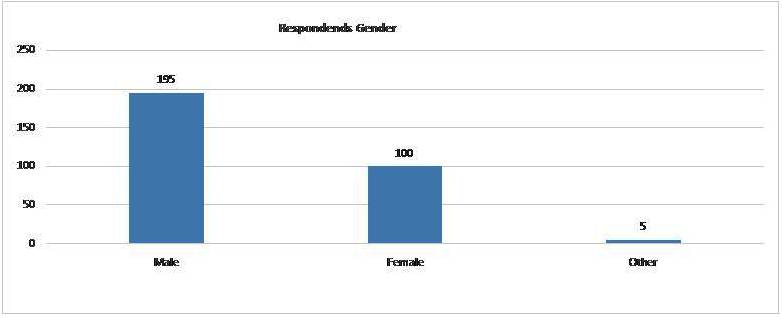
Figure 5.2: Gender Distribution of Respondents
The gender distribution of respondents indicates that the majority of respondents are male,which is 195 respondents (65%) of the sample. Out of the total 300 respondents wile, Female respondents account for 100 participants (33.3%), and a small proportion of respondents, 5 participants (1.7%), identified as other gender categories. The data show that participation in Ganga-related religious events is dominated by male respondents, but female representation remains significant. This gender composition highlights the broad social engagement associated with these cultural and religious gatherings.
Place of Residence of Respondents
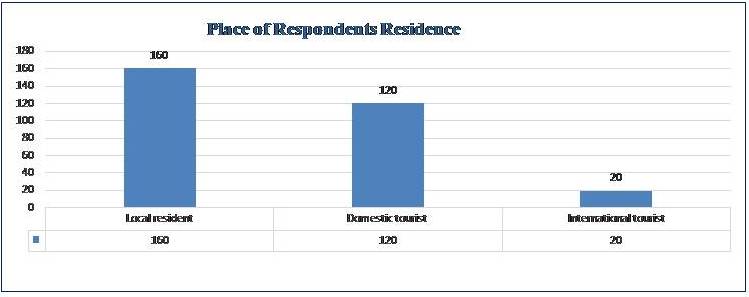
Figure 5.3:Place of Residence of Respondents
The above bar graphs’ data indicate that Local residents have maximum participation in these events. Out of 300 respondents, 160 participants (53.3%) are local residents. Participation of Domestic tourists is 120 respondents (40%), which is belongs to different parts of India. A smaller group of respondents, 20 participants (6.7%), are international tourists. Their presence highlights the global cultural and spiritual appeal of the Ganga and its associated religious events. The strong presence of local and domestic residents suggests that these events may play an important role in shaping environmental awareness and conservation attitudes within communities living along the river.
Awareness of Government Initiatives for Ganga Conservation
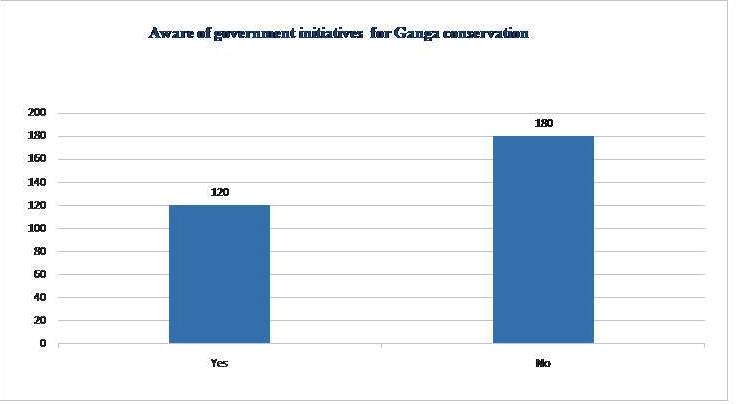
Figure 5.4:Awareness of Government Initiatives for Ganga Conservation
The data shows that only 120 participants (40%) were aware of government programmes such as the Namami Gange initiative before attending the event. While 180 respondents (60%) stated that they were not aware of such initiatives before their participation. This suggests that a majority of visitors attending Ganga-related religious events initially lack information about government-led conservation efforts.These findings highlight a significant awareness gap regarding official environmental programmes.
Impact of Events on Environmental Awareness
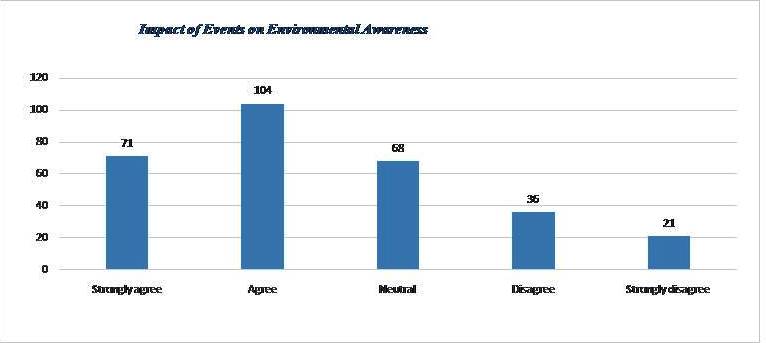
Figure 5.5:Impact of Events on Environmental Awareness
Figure 5.5 shows that Ganga-related events play a notable role in increasing environmental awareness among participants.71 participants (23.7%) strongly agree, and 104 participants (34.7%) agree that the event increased their awareness about environmental issues affecting the River Ganga. While 175 respondents (58.4%) expressed a positive response. Meanwhile, 68 respondents (22.7%) reported a neutral opinion, suggesting that the event had a moderate or unclear influence on their awareness. 36 respondents (12%) who disagree and 21 respondents (7%) who strongly disagree.
Overall, the findings suggest that religious and cultural events such as Ganga Aarti, Ganga Utsav, and Ganga Dussehra contribute significantly to raising environmental awareness among participants
Sources of Environmental Awareness During the Event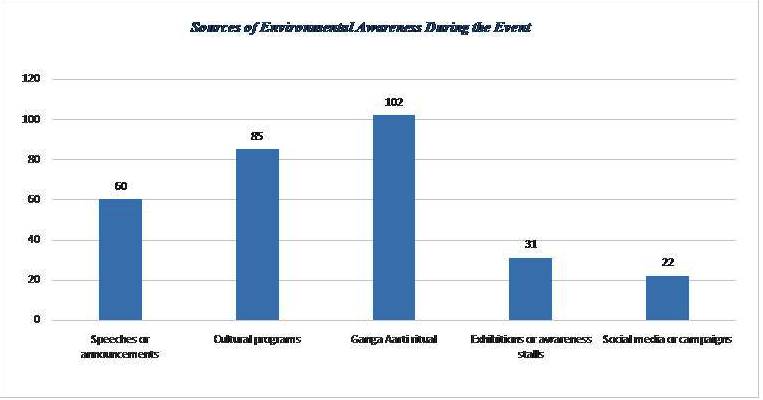
Figure 5.6: Sources of Environmental Awareness During the Event
The data of Figure 5.6 indicate that 102 participants (34%) received the most environmental awareness through the Ganga Aarti ritual, making it the most influential activity, and 85 respondents (28.3%) thought Cultural programs were the primary source of environmental awareness. These programs often include performances, speeches, and symbolic representations that engagingly convey conservation messages. Speeches or public announcements accounted for 60 responses (20%), indicating that formal communication also contributes to spreading awareness. A smaller number of respondents got aware through exhibitions or awareness stalls, which is (31 respondents, 10.3%), and social media or campaigns (22 respondents, 7.3%).
Overall, the findings suggest that traditional religious rituals and cultural performances are more effective in conveying environmental messages than conventional awareness tools during these events.
Perception of Religious Events as Awareness Platforms
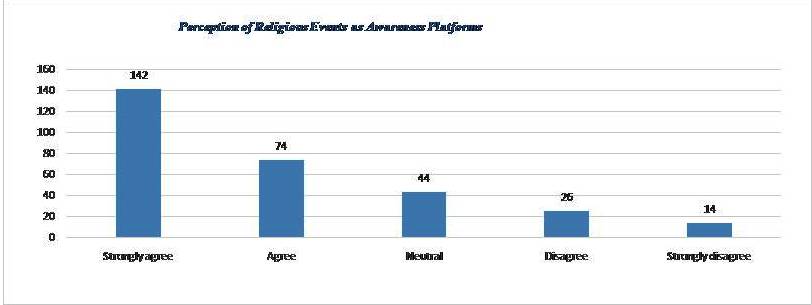
Figure 5.7: Perception of Religious Events as Awareness Platforms
The above data indicate that 142 participants (47.3%) strongly agree, and 74 participants (24.7%) agree that events such as Ganga Aarti, Ganga Utsav, and Ganga Dussehra are effective in spreading awareness about river conservation. Meanwhile, 44 respondents (14.7%) reported a neutral view, suggesting that the impact of such events on awareness may vary among individuals. And 26 respondents (8.7%) disagreed, and 14 respondents (4.7%) strongly disagreed. Overall, the findings suggest that religious and cultural gatherings along the River Ganga are widely recognized as effective platforms for communicating environmental messages
Influence of Events on Environmentally Responsible Behavior
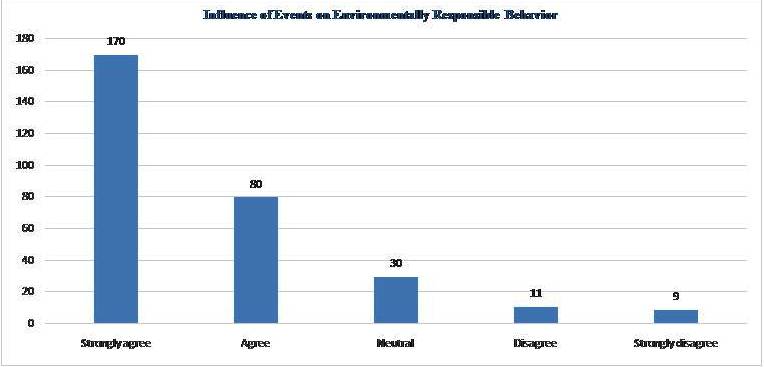
Figure 5.7: Influence of Events on Environmentally Responsible Behavior
The data in Figure 5.7 shows that 170 participants (56.7%) strongly agree, and 80 participants (26.7%) agree that after attending the event, they are more likely to avoid practices that pollute the river, such as throwing waste into the Ganga. A smaller group of respondents, 30 participants (10%), reported a neutral opinion, indicating that the event had a limited or unclear influence on their behavior. Only 11 respondents (3.7%) disagreed and 9 respondents (3%) strongly disagreed, showing minimal resistance to the environmental messages conveyed during the events. Overall, the findings suggest that religious and cultural gatherings such as Ganga Aarti, Ganga Utsav, and Ganga Dussehra have a significant impact on promoting pro-environmental behavior among participants.
Participation in Ganga Conservation Activities
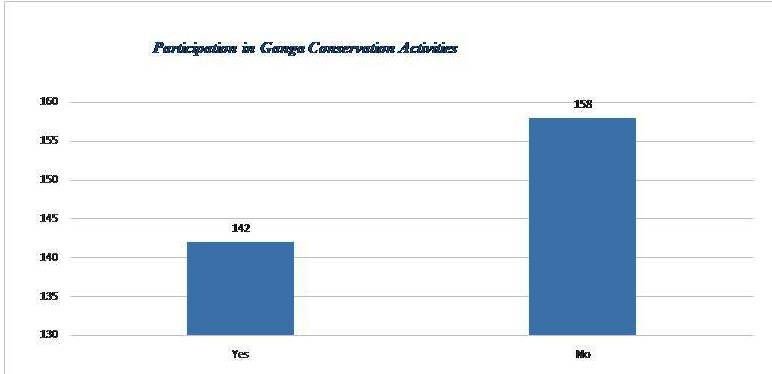
Figure 5.9: Participation in Ganga Conservation Activities
The above responses indicate that 142 participants (47.3%) reported that they have participated in activities such as clean-up drives or awareness campaigns related to Ganga conservation. In contrast, 158 respondents (52.7%) stated that they have not participated in any conservation activities. This suggests that although awareness about river conservation may exist among participants, active involvement in environmental initiatives remains relatively limited. The findings highlight a gap between environmental awareness and actual participation in conservation efforts.
Willingness to Participate in Future Conservation Initiatives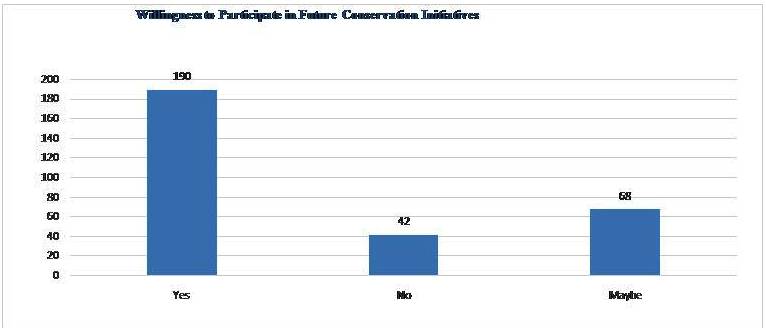
Figure 5.10: Willingness to Participate in Future Conservation Initiatives
The above data shows that 190 participants (63.3%) expressed their willingness to participate in future conservation activities. This suggests a strong positive attitude toward environmental engagement among event participants. Meanwhile, 68 respondents (22.7%) indicated that they may participate, reflecting a moderate level of interest. A smaller proportion, 42 respondents (14%), stated that they are not willing to participate in future initiatives. Overall, the findings demonstrate that religious and cultural events related to the Ganga not only raise awareness but also create a foundation for future public participation in conservation efforts.
Suggested Improvements for Enhancing the Effectiveness of Conservation Events
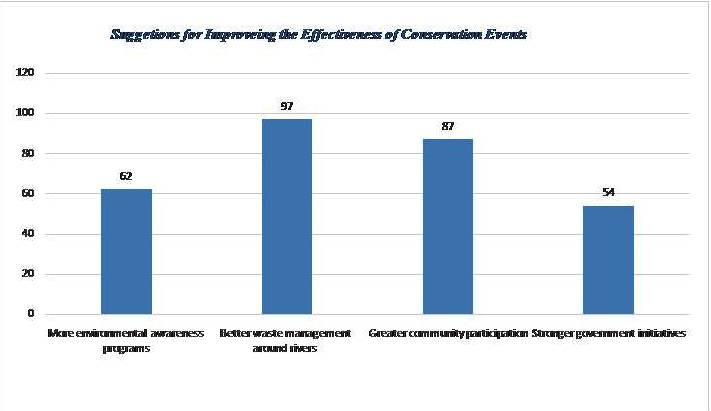
Figure 5.11: Suggested Improvements for Enhancing the Effectiveness of Conservation Events
The above responses highlight that 97 participants (32.3%) identified better waste management around the river as the most important improvement. Greater community participation was selected by 87 respondents (29%), indicating the need for stronger involvement of local communities and volunteers in conservation activities. This reflects the importance of collective action.
Additionally,62 respondents (20.7%) suggested increasing environmental awareness programs during such events. And A smaller proportion of respondents, 54 participants (18%), emphasized the need for stronger government initiatives. Overall, the findings indicate that improving waste management systems, enhancing community participation, and expanding awareness initiatives are key measures that could significantly strengthen the effectiveness of religious events in promoting Ganga conservation.
1.6 Conclusion & Discussion
Discussion
The findings of this study highlight the growing importance of religious and cultural events as platforms for environmental awareness and public engagement in river conservation. Events such as Ganga Aarti, Ganga Utsav, and Ganga Dussehra attract large numbers of pilgrims, tourists, and local residents. These gatherings create opportunities to communicate environmental messages to a diverse audience. The survey results suggest that such events can influence public perceptions and attitudes toward the conservation of the River Ganga. A considerable proportion of respondents reported that attending these events increased their awareness of environmental issues affecting the river. Many participants also agreed that religious gatherings serve as effective platforms for spreading awareness about river conservation. These findings support earlier scholarly arguments that faith-based environmental communication can influence public attitudes and encourage collective environmental responsibility. Religious rituals and spiritual symbolism often create emotional connections between individuals and natural landscapes. In the context of the Ganga, the river is widely perceived as sacred and maternal in Hindu traditions. This belief strengthens emotional attachment to the river and increases public receptiveness to conservation messages.
The survey also indicates that ritual practices themselves function as important channels of environmental communication. Many respondents reported that they received the strongest environmental messages during the Ganga Aarti ritual and cultural programs organized during these events. In contrast, formal awareness tools such as speeches, exhibitions, and social media campaigns were perceived as less influential. This suggests that environmental communication embedded within spiritual practices can be more effective than conventional awareness campaigns. Integrating environmental messages within rituals and cultural performances can therefore make conservation campaigns more meaningful and culturally relevant. Another important observation from the study is the positive influence of these events on behavioral intentions. A large majority of respondents indicated that after attending such events they were more likely to avoid practices that pollute the river, such as throwing waste into the water. This suggests that religious gatherings can encourage environmentally responsible attitudes and influence individual behavior.
However, the study also reveals a significant gap between environmental awareness and actual participation in conservation activities. While many respondents expressed awareness and willingness to protect the river, fewer individuals reported active participation in activities such as clean-up drives or awareness campaigns. This gap indicates that awareness alone is insufficient to ensure sustained environmental action. Limited opportunities for participation, lack of organized community initiatives, and weak institutional coordination may prevent individuals from translating awareness into active engagement. The findings also highlight the importance of improving environmental management during religious gatherings. Many respondents identified better waste management around the riverbanks as the most important improvement required to make these events more effective in promoting conservation. Large religious gatherings generate considerable waste, including plastic materials, food packaging, and ritual offerings. Without proper waste management systems, these activities can unintentionally contribute to river pollution.
Another important issue identified in the study is the need for stronger community participation. Local communities living along the river play a crucial role in protecting the river ecosystem. Encouraging community-based initiatives such as volunteer groups, local clean-up campaigns, and environmental education programs can strengthen long-term conservation efforts.
Government institutions also play an essential role in strengthening the effectiveness of these events. Initiatives such as the Namami Gange programme have introduced several awareness campaigns and conservation projects. However, the survey results indicate that many participants were unaware of these initiatives before attending the events. This suggests that communication strategies need to be improved to ensure that information about conservation programmes reaches a wider audience.
Non-governmental organizations can further strengthen conservation efforts by organizing awareness campaigns, training programs, and community volunteer initiatives. NGOs often have strong grassroots networks and can help bridge the gap between government programmes and local communities. Spiritual leaders and religious institutions also hold significant influence over public attitudes and behavior. When respected saints, gurus, and religious leaders advocate environmental protection, their messages carry strong moral authority. By presenting river conservation as a spiritual duty, religious leaders can motivate followers to adopt sustainable practices and participate in conservation initiatives.
Major Findings
The study highlights several key findings regarding the role of religious events in promoting Ganga conservation. First the results show that religious events are effective platforms for environmental awareness. A large number of respondents reported increased awareness of environmental issues after attending events such as Ganga Aarti and Ganga Utsav.
Second , ritual and cultural practices emerged as the most effective channels of communication. Participants indicated that environmental messages delivered through Ganga Aarti and cultural programs had a stronger impact compared to formal speeches or exhibitions.
Third, the study found that religious gatherings positively influence behavioral intentions. Many respondents reported that they were more likely to avoid practices that pollute the river after attending these events.
Fourth, the results reveal an awareness–participation gap. While awareness levels are relatively high, actual participation in conservation activities such as clean-up drives remains comparatively lower. Respondents emphasized the importance of improving waste management and strengthening community participation to make these events more effective in promoting river conservation.
Conclusion
The findings of this study demonstrate that religious and cultural events along the River Ganga have significant potential to promote environmental awareness and encourage pro-environmental attitudes among participants. These events provide unique opportunities to connect spiritual values with environmental responsibility and mobilize large sections of society for conservation efforts.
However, the effectiveness of these initiatives depends on the ability to transform awareness into sustained environmental action. Improving waste management systems, strengthening community participation, and enhancing coordination between government agencies, NGOs, and religious institutions are essential for achieving long-term conservation goals. Spiritual leaders, saints, and religious institutions can play a crucial role in promoting environmental responsibility by integrating conservation messages into religious teachings and rituals. Similarly, NGOs and community organizations can help convert awareness into practical action through volunteer programs and community-based conservation initiatives.
Ultimately, protecting the River Ganga requires a collaborative approach involving government institutions, local communities, civil society organizations, and religious leaders. By integrating faith-based environmental initiatives with effective environmental management practices, religious gatherings can become powerful platforms for mobilizing public support for river conservation and ensuring the long-term sustainability of the Ganga ecosystem.
References
- Baca, E. A., & Anne, E. (2015). the Ganges River: Symbology, Sustainability, and the Confluence of Cultural and Fluvial Connectivity. December.
- Bhatt Arvind, & Rawat Sudhanshu. (2024). A Study on the Growth and Development of the Tourism Industry in Uttarakhand Opportunities, Challenges and Strategies. International Journal for Multimilitary Research(IJFMR), 6. https://www.researchgate.net/publication/379729167_A_Study_on_the_Growth_and_Development_of_the_Tourism_Industry_in_ Uttarakhand_Opportunities_Challenges_and_Strategies
- CAG (2017). Rejuvenation of River Ganga ( Namami Gange ). 1–121.
- Chaurasia, D. K., Rana, N. K., & Sharma, V. N. (2024). From Pollution to Preservation: Impacts of the Namami Gange Project on the Ganga River Ecosystem in the Varanasi Urban Area. Journal of Research in Environmental and Earth Sciences, 10(10), 01–08. https://doi.org/10.35629/2532-10100108
- Chopra Dhananjay. (2023). भारतमेंकुंभ. National Book Trust,India . https://www.nbtindia.gov.in/books_detail__8__india-the-land-and-the-people__7465__bharat-me-kumbh.nbt
- Dutta, M. (2024). Creative economy and sustainable development : the context of Indian handicrafts.
- Jhariya, D. C., & Kumar Tiwari, A. (2020). Ganga River: A Paradox of Purity and Pollution in India due to Unethical Practice. IOP Conference Series: Earth and Environmental Science, 597(1), 012023. https://doi.org/10.1088/1755-1315/597/1/012023
- Khan, H., Ullah, S., & Sarwar, R. (2025). Faith-Based Organizations, Environmental Conservation and Sustainability: A Systematic Review. Research Mosaic, 5(1), 21–34. https://doi.org/10.64428/rm/v5.i1.3
- Kumar, A., Taxak, A. K., Mishra, S., & Pandey, R. (2021). Long term trend analysis and suitability of water quality of River Ganga at Himalayan hills of Uttarakhand, India. Environmental Technology & Innovation, 22, 101405. https://doi.org/10.1016/j.eti.2021.101405
- Kusuma Nazalea. (2023, March 22). Namami Gange, the Ganges River Rejuvenation Project. Green Network. https://greennetwork.asia/news/namami-gange-the-ganges-river-rejuvenation-project/
- Luthy, T. (2019). Bhajan on the Banks of the Ganga: Increasing Environmental Awareness via Devotional Practice. Journal of Dharma Studies, 1(2), 229–240. https://doi.org/10.1007/S42240-019-00026-1/METRICS
- Mallet, V. (2017). The Ganges and India’s future Victor Mallet.
- Moyer, J. M., & Brandenbarg, C. (2021). The landscape of faith-based environmental engagement in Canada. Local Environment, 26(10), 1267–1283. https://doi.org/10.1080/13549839.2021.1973395
- Network, G. P., & Project, T. B. (2012). A handbook for Hindu religious leaders, cities, towns and pilgrims. www.arcworld.orgarcworld@arcworld.orgwww.bhumiproject.orginfo@bhumiproject.org
- NMCG (2018). National Mission for Clean Ganga Annual Report.
- Pietz, D. A., & Zeisler-Vralsted, D. (2021). Water, Civilization, and Culture. Water and Human Societies, 1–27. https://doi.org/10.1007/978-3-030-67692-6_1
- Rao, N. (2022). Monsoon : South Asian Studies Ganges in Indian Sculpture and Literature : Mythology and Personification Monsoon : South Asian Studies Association Journal Ganges in Indian Sculptur Sculpture e and Literatur Liter ature : e : Mythology and P ersonification. 1(1).
- Rees, M. (2017). Rivers in World Cultures and Languages. Serbian Studies: Journal of the North American Society for Serbian Studies, 28(1–2), 99–103. https://doi.org/10.1353/SER.2017.0005
- Roy, B., & Basu Roy, S. (2017). Ganga Action Plan(GAP): The Challenge of “Regulatory Quality” Ganga Action Plan(GAP): The Challenge of “Regulatory Quality.”81148.
- Shukla, A. K., Ojha, C. S. P., Shukla, S., & Garg, R. D. (2021). Water Quality Challenges in Ganga River Basin, India (pp. 1–19). https://doi.org/10.1007/978-3-030-60869-9_1
- Waititu, P., & Government of Nakuru, C. (2021). Creating Community Based Environmental Awareness with Social Media: A Kenyan perspective. Southern African Journal of Environmental Education, 37(1). https://doi.org/10.4314/SAJEE.V37I1.2
- Religion, T. O. I. (2024, November 28). The sacred Ganges River: Lifeline, culture, and spiritual significance. Times Of India. https://timesofindia.indiatimes.com/religion/hindu-mythology/the-sacred-ganges-river-lifeline-culture-and-spiritual-significance/articleshow/115777499.cms
- National Mission for Clean Ganga organizes Ganga Utsav – The River Festival. (2022, November 7). APAC Digital News Network; APAC News Network. https://apacnewsnetwork.com/2022/11/national-mission-for-clean-ganga-organizes-ganga-utsav-the-river-festival/
- नमामिगंगे. National Mission for Clean Ganga(NMCG), Ministry of Jal Shakti, Department of Water Resources, River Development & Ganga Rejuvenation, Government of India. November 2024, from https://nmcg.nic.in/ganga_utsav_2024.aspx