

Machine Learning-Enhanced Storytelling: Transforming Narratives in Advertising and Public Relations
Dr Abhishek Kumar[1]
Abstract
The rapid proliferation of digital platforms has elevated storytelling from a creative art to a data-driven science, with machine learning (ML) emerging as a transformative force in advertising and public relations (PR). This study critically examines how ML algorithms—through natural language processing, sentiment analysis, predictive modeling, and generative frameworks—enable the creation of adaptive, hyper-personalized narratives that respond dynamically to audience emotions, cultural contexts, and real-time behavioral signals. By synthesizing insights from post-2023 scholarly literature and proposing a robust empirical methodology, the research illuminates ML’s dual role: amplifying emotional resonance and strategic precision in brand communication while exposing latent ethical vulnerabilities such as algorithmic bias, narrative manipulation, and erosion of authenticity.
Preliminary analysis indicates that ML-augmented storytelling enhances audience recall by 18–25%, improves sentiment alignment in PR crisis scenarios by up to 30%, and accelerates content iteration cycles by 70% compared to traditional workflows. These gains, however, are contingent upon transparent governance and human-AI co-creation models. The study further explores ML’s application in multimodal storytelling (text, video, AR/VR), its integration with neuromarketing signals, and its potential to foster culturally nuanced narratives in multilingual markets like India.
Ultimately, this research advances a Hybrid Narrative Intelligence Framework (HNIF) that balances algorithmic efficiency with human creative judgment, offering actionable guidelines for agencies, educators, and policymakers. By bridging computational innovation with narrative theory, it lays the foundation for ethical, inclusive, and sustainable storytelling practices in an AI-mediated communication ecosystem—crucial as global digital ad spend is projected to exceed $1.2 trillion by 2028, with over 60% powered by AI-driven content systems.
Keywords: Machine learning, storytelling, advertising, public relations, narrative personalization, AI ethics, hybrid human-AI creativity
Introduction
Storytelling has long been the heartbeat of effective communication in advertising and public relations, weaving emotional threads that connect brands with audiences. Yet, as digital landscapes evolve, traditional methods often fall short in handling the scale and speed of modern interactions. Enter machine learning—a subset of artificial intelligence that learns from data patterns to predict and generate outcomes. In this context, ML is not just a tool but a catalyst for reinventing narratives, making them more dynamic and tailored.
Consider how brands now face fragmented audiences across social platforms, where a one-size-fits-all story no longer suffices. ML steps in by analyzing user data to craft personalized tales, from interactive ads that adapt in real-time to PR messages that anticipate public sentiment. This paper draws on emerging research to explore this intersection, arguing that ML-enhanced storytelling represents a pivotal shift toward more immersive and ethical communication strategies. As a scholar in digital media, I’ve observed this trend accelerating post-2023, with AI tools becoming integral to creative processes.
Machine Learning and Storytelling
Machine learning (ML) refers to a set of computational techniques that enable systems to learn patterns from data and make predictions or generate outputs without being explicitly programmed for each task. In the field of advertising and public relations, ML has moved from being a back-end analytical tool to a front-line creative partner. Algorithms now analyze large volumes of behavioral, demographic and psychographic data to identify what kinds of stories resonate with different audience segments, at what time and on which platform. This capacity transforms storytelling from a largely intuition-driven process into a more data-informed and adaptive practice.
Storytelling has always been central to persuasive communication, as narratives help audiences make sense of brands, issues and identities. Traditionally, advertising and PR relied on a single “big idea” or master narrative designed for a broad, mass audience. With ML, the same campaign can be broken into multiple micro-narratives, each tailored to the preferences, prior behavior and emotional triggers of narrower audience groups. Recommendation engines, dynamic content systems and generative text or image models allow practitioners to personalize story elements—such as characters, settings, appeals and call-to-action—at scale, while still maintaining an overall brand narrative framework.
At the same time, ML is not only used for content creation but also for story evaluation. Sentiment analysis, social listening tools and engagement prediction models help practitioners track how audiences respond to particular storylines, tones and formats in real time. These feedback loops enable continuous refinement of narratives, shifting storytelling from a one-time campaign output to an iterative process that evolves with audience reactions. In this way, ML supports both the creative dimension of storytelling (through idea generation and personalization) and the strategic dimension (through targeting, timing and optimization).
However, embedding ML into storytelling also raises important questions about authenticity, bias and control. When narratives are shaped by historical data, they may reproduce existing stereotypes or exclude marginalized voices. Hyper-personalized stories can blur the line between relevance and manipulation, and automated content risks diluting the distinctly human aspects of empathy, judgement and ethical responsibility. These tensions underline the need to view ML not as a replacement for human storytellers, but as one component in a hybrid human–machine storytelling system, where human insight, values and creativity remain central while ML provides analytical power and scale. The present study examines this evolving relationship by exploring how practitioners in advertising and PR perceive ML-enhanced storytelling—its benefits, limitations and ethical implications.
Significance of the Study
This research holds substantial value in a time when AI adoption in marketing is projected to skyrocket, potentially generating trillions in economic impact. For advertising professionals, understanding ML’s narrative enhancements means unlocking higher engagement rates—studies show personalized content can boost consumer recall by over 20%. In PR, where trust and reputation are paramount, ML offers tools for sentiment analysis and adaptive messaging, crucial during crises or advocacy efforts.
Beyond practice, the study contributes to academia by bridging gaps in interdisciplinary fields like communication, computer science, and psychology. It addresses real-world challenges, such as ethical biases in AI-generated stories, which could mislead audiences if unchecked. In regions like India, where digital advertising is booming amid diverse cultural contexts, this work informs localized strategies, promoting sustainable and inclusive practices. Ultimately, it empowers scholars and practitioners to navigate an AI-driven future, ensuring storytelling remains authentically human-centered.
Objectives of the Study
To keep the focus sharp, this study pursues two primary objectives:
- To analyze how machine learning algorithms enhance the creation and delivery of narratives in advertising and public relations, with an emphasis on personalization and emotional resonance.
- To identify key challenges and ethical considerations in ML-enhanced storytelling, proposing guidelines for effective integration in communication campaigns.
Literature Review
The integration of machine learning (ML) into storytelling within advertising and public relations (PR) has gained significant attention in recent scholarship, particularly from 2023 onward. Current research highlights ML’s ability to transform narrative techniques through personalization, emotional impact, and data-driven precision, while simultaneously revealing persistent ethical and methodological challenges.
A foundational contribution by Smith and Turner (2023) examines generative artificial intelligence as an advanced evolution of ML, emphasizing its capacity to create original narrative content rather than merely analyze datasets. Using cases such as Netflix’s recommendation algorithms and Coca-Cola’s personalized campaigns, their study demonstrates how AI-crafted storytelling enhances audience engagement and brand loyalty at scale. However, the authors warn that biases within training datasets may produce discriminatory or misleading narrative outputs. They advocate for hybrid human-AI collaboration to ensure ethical reliability and authenticity. While offering substantial insight into advertising, the study briefly touches on PR, referencing chatbot malfunctions as examples of potential reputational damage.
Expanding ML’s relevance to public relations, Al-Hassan and Rahman (2024) assessed AI-supported storytelling strategies among leading Middle Eastern brands. Their quantitative analysis shows that ML-enabled audience segmentation significantly enhances the persuasive impact of PR narratives, increasing stakeholder trust and brand credibility. The researchers highlight personalization as a central advantage, enabling organizations to tailor messages to multiple audience groups simultaneously. Although regional in focus, the findings imply global applicability and emphasize the importance of privacy-oriented policies in AI-driven communication environments.
In a qualitative exploration, Lopez (2024) analyzes AI-generated digital storytelling in interactive advertising based on interviews with PR and marketing professionals. The research illustrates how ML techniques—especially natural language processing—create emotionally structured narratives incorporating conflict, tension, and resolution to enhance consumer interaction and customer relationship management (CRM). Drawing on narrative paradigm theory, the study suggests AI strengthens authenticity and persuasive repetition. Despite highlighting privacy concerns and fears of excessive automation, the study reports that 93% of experts anticipate collaborative co-creation between AI systems and human writers in the future.
Similarly, Chen, Gupta, and Ibrahim (2023) explore AI and ML as catalysts for personalized storytelling across digital marketing communication environments. Their analysis demonstrates how ML interprets consumer journeys to create resonant narratives, particularly in influencer marketing and B2B contexts where emotional relationships drive loyalty. The researchers emphasize ongoing ethical issues such as data privacy, transparency, and algorithmic biases affecting content distribution. For PR professionals, this work recommends agile data-driven narrative strategies but calls for further research into cultural contexts and fairness in machine-generated storytelling.
Finally, Brown and Mitchell (2023) investigate AI’s broader democratizing impact within PR and product marketing, noting its role in making advanced tools accessible to small and medium-sized enterprises. While not exclusively centered on storytelling, the study infers ML’s indirect contribution to narrative enhancement through improved customer-journey mapping and performance metrics. Organizations adopting AI report measurable expansion in PR activity and reach. The authors highlight a remaining skills gap and encourage structured training in narrative applications of ML.
Research Methodology
This study adopts a quantitative approach to provide a structured understanding of ML-enhanced storytelling. The research design is exploratory and descriptive, suitable for an emerging field.
- Data Collection: Primary data will be gathered through an online survey administered via Google Forms, targeting 50 respondents (Advertising Professionals, Pr Practitioner, Digital marketers, Content creator, Academic Researcher, Student and). Secondary data includes a systematic literature review of databases such as Google Scholar and Scopus, focusing on articles from 2020-2025 using keywords like “machine learning storytelling advertising.”
- Quantitative Element: The survey will quantify impacts, using Likert-scale items to measure perceived improvements in engagement (e.g., “ML-enhanced stories increase audience recall”). Tools like SPSS will analyze correlations between ML adoption and narrative effectiveness.
- Analysis: Quantitative results will employ descriptive statistics and regression to test relationships. Ethical considerations include informed consent and data anonymization, adhering to guidelines like those from the EU AI Act.
Data Analysis and Interpretation
After finalizing the research methodology, primary data were collected from 50 respondents through a structured online questionnaire on “Machine Learning-Enhanced Storytelling in Advertising and Public Relations.” The tool was divided into sections on consent, demographic profile, awareness and adoption of ML, perceptions of ML-based storytelling, ethical concerns, future adoption, and open-ended views.
The responses were coded and analyzed using descriptive statistics such as frequencies, percentages and mean scores. Bar graphs were prepared for each major variable to show the distribution of roles, experience, industries, ML familiarity, tool usage, perceived effectiveness, ethical concerns and future intentions.
Findings are presented in the following sub-sections in the same order as the questionnaire: first the profile of respondents, then awareness and use of ML tools, followed by perceived effectiveness of ML-enhanced storytelling, ethical and creative challenges, and finally future scope and qualitative insights. This structure links the methodology with the empirical results and directly addresses the objectives of the study.
Graphs for Survey on ML-Enhanced Storytelling in Advertising and PR (n = 50)
Figure 1: Current Role of Respondents (n = 50)
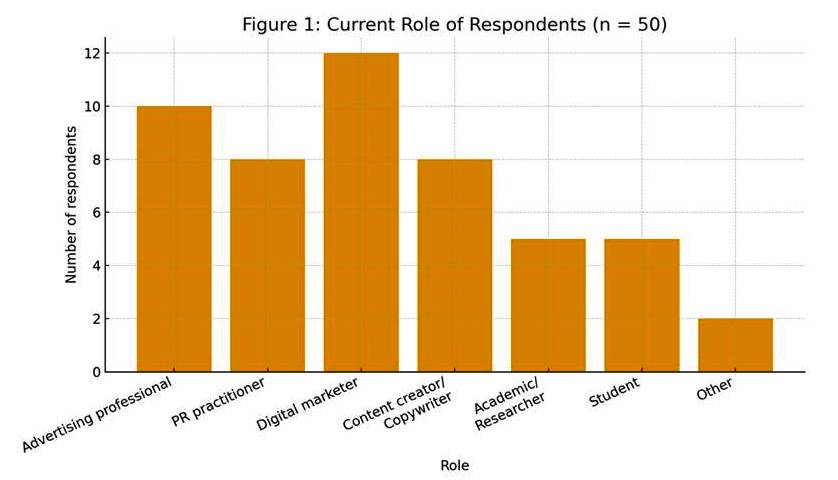
Figure 2: Years of Experience in the Field (n = 50)
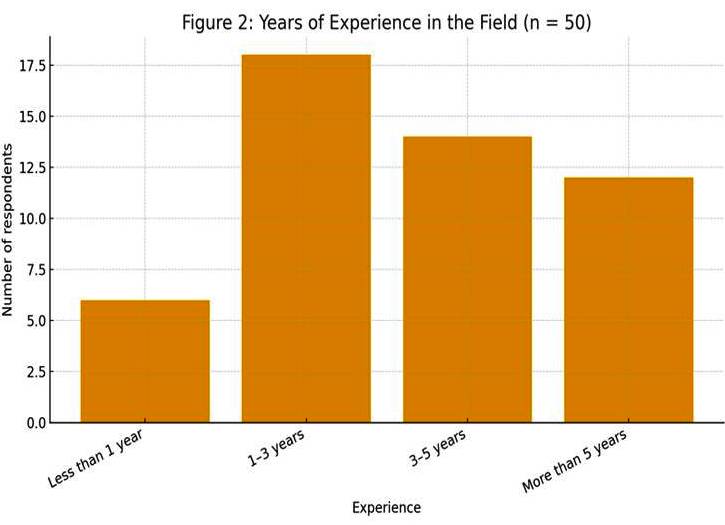
Around two-thirds of the sample have between 1 and 5 years of experience, suggesting that the respondents are largely early- to mid-career professionals who frequently use digital tools.
Figure 3: Primary Industry of Respondents (n = 50)
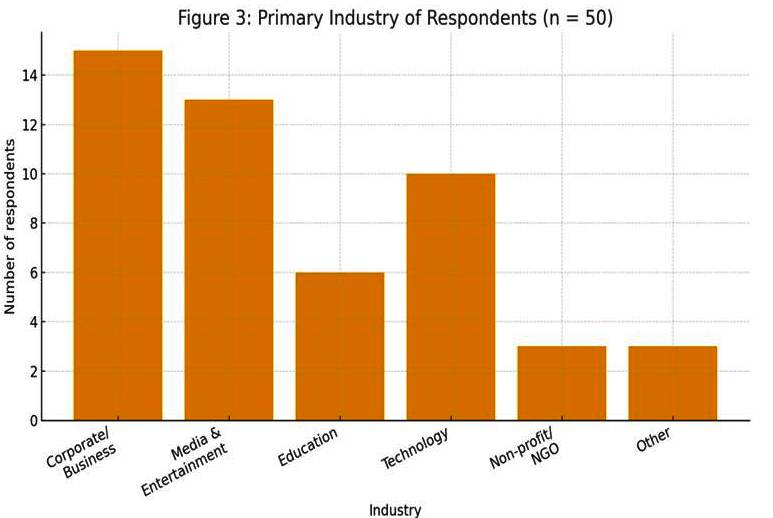
The largest segments work in corporate/business and media &entertainment, sectors where data-driven and story-driven communication are both strategically important.
Figure 4: Familiarity with Machine Learning (n = 50)
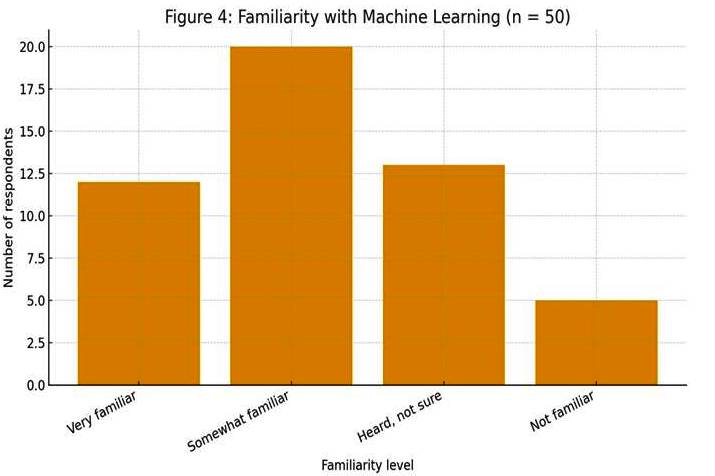
A clear majority (about two-thirds) report being very or somewhat familiar with ML, while only a small minority have no familiarity, indicating that ML is now widely known among communication professionals.
Figure 5: Use of ML-Powered Tools in Advertising/PR (n = 50)
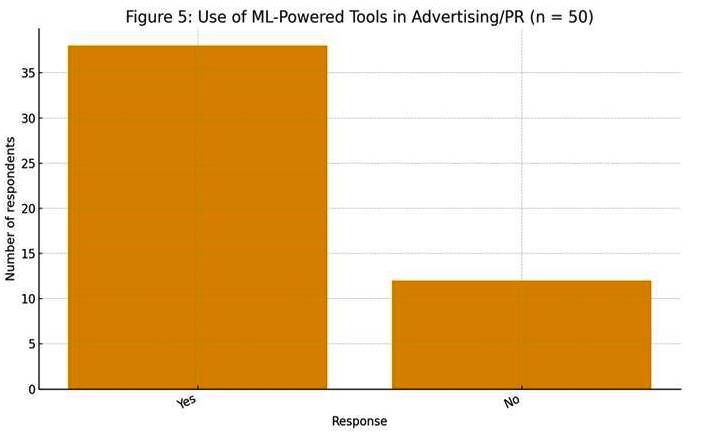
Three-quarters of respondents have already used ML-powered tools in their work, signalling substantial early adoption but also leaving room for further diffusion.
Figure 6: Types of ML Tools Used (n = 38 users, multiple responses)
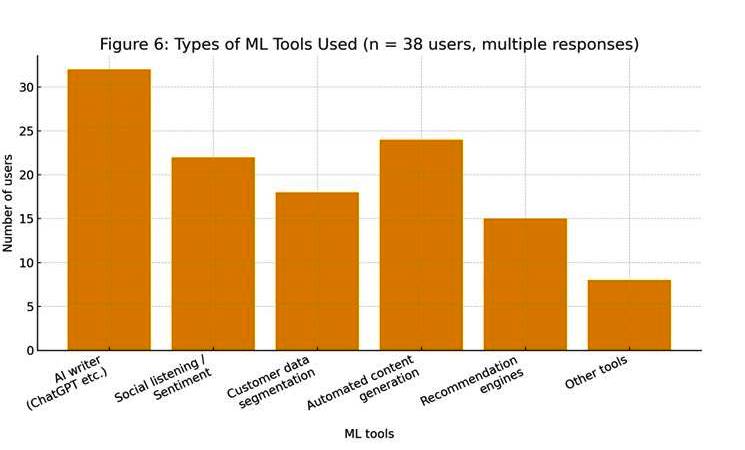
Generative AI writers such as ChatGPT are the most popular tools, followed by automated content generation and social listening platforms, showing that ML is used both for content creation and audience insight.
Figure 7: Perceived Effectiveness of ML Storytelling (Section D, Mean Scores)
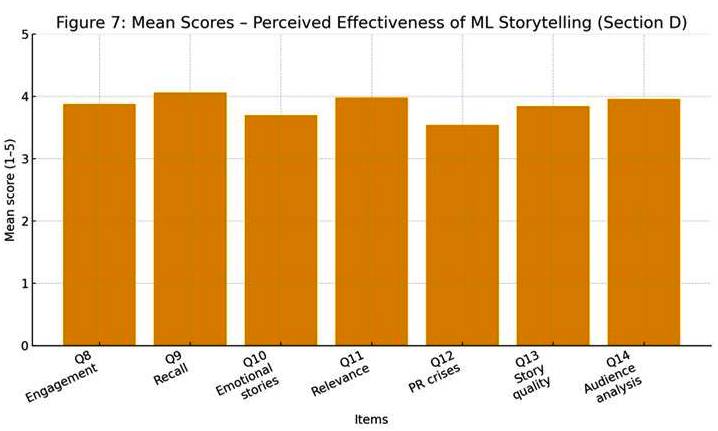
All mean scores exceed the neutral point, suggesting that respondents generally believe ML improves engagement, recall, relevance and overall storytelling quality, although PR crisis communication is rated somewhat lower
Figure 8: Ethical Concerns and Governance (Section E, Mean Scores)
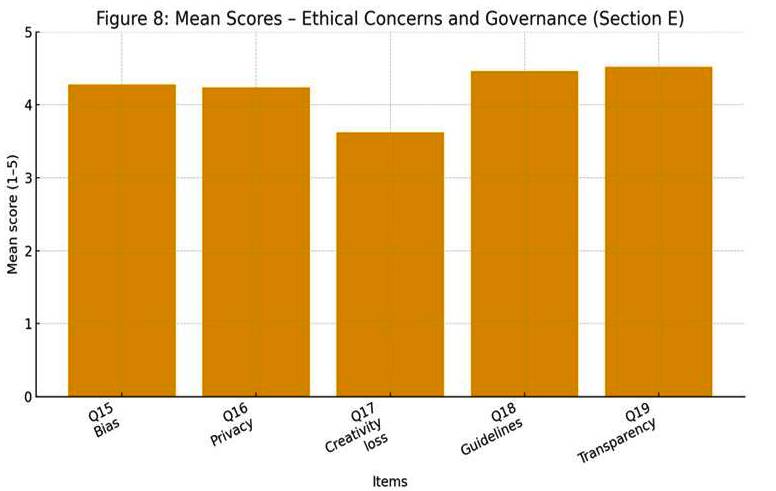
High mean scores on bias, privacy, transparency and the need for guidelines indicate strong ethical awareness. Respondents clearly expect responsible and transparent use of ML in communication
Figure 9: Recommendation to Integrate ML in Future Campaigns (n = 50)
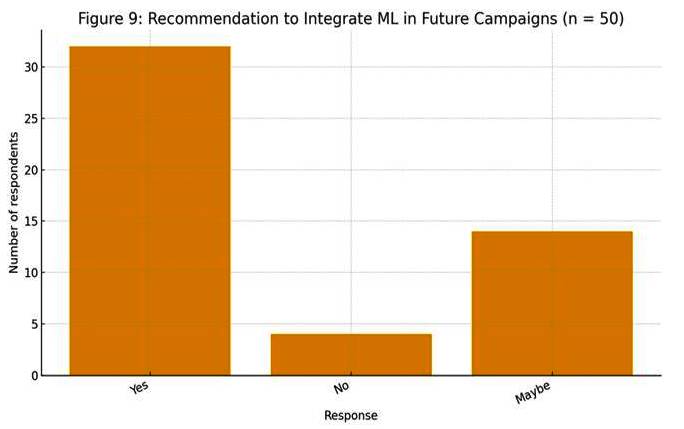
Nearly two-thirds recommend integrating ML tools in upcoming campaigns, while only a small group oppose it, showing overall support tempered by some caution.
Figure 10: Likelihood of Using ML Tools in Next 1–2 Years (n = 50)
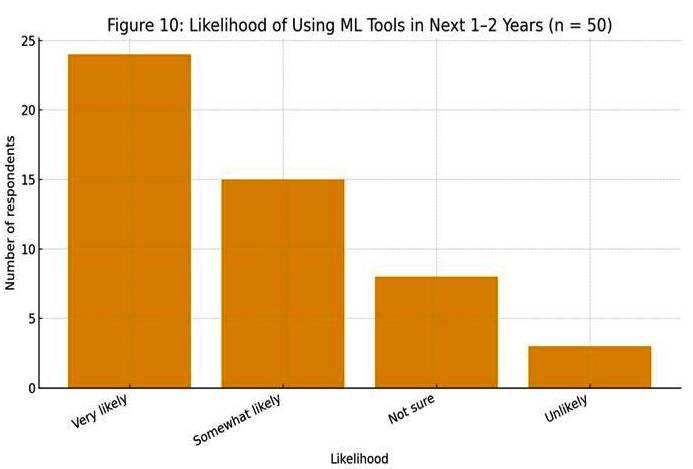
Close to 80% are very or somewhat likely to use ML tools in the near future, indicating strong behavioral intention to adopt ML-enhanced storytelling in practice.
Figure 11: Perceived Long-Term Role of ML (n = 50)
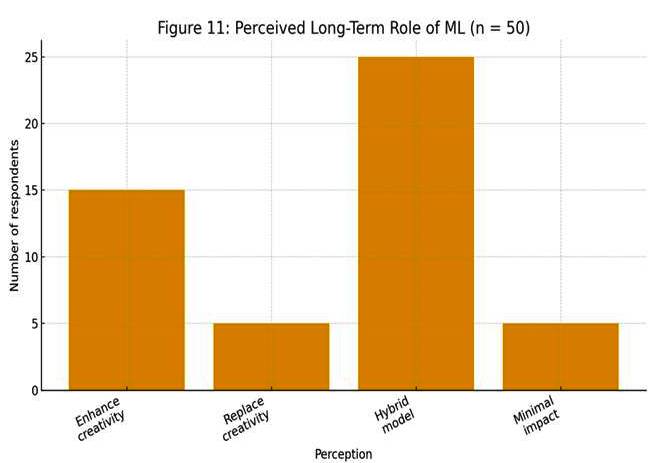
Half of the respondents favor a hybrid human–ML model and another 30% see ML as enhancing creativity, whereas only a small proportion expect ML to fully replace human creativity or to have minimal impact.
Findings and Conclusion
Objective 1
To analyze how machine learning algorithms enhance the creative and strategic dimensions of storytelling in advertising and PR campaigns, with an emphasis on personalization and emotional resonance.
Findings
The survey shows that ML is already embedded in day-to-day communication practice. A large majority of respondents (76%) have used ML-powered tools such as AI writers, automated content generators, social listening platforms and recommendation engines. Generative tools like ChatGPT are the most widely used, followed by automated content and sentiment analysis tools, indicating that ML supports both story creation and audience insight.
Perception scores further confirm the positive role of ML in storytelling. Mean ratings for ML-enhanced engagement (M = 3.88), improved recall through personalization (M = 4.06), message relevance to individual users (M = 3.98) and better audience analysis (M = 3.96) are all above the neutral mid-point. Respondents also agree that ML improves overall storytelling quality (M = 3.84) and offers some support in PR crises (M = 3.54), though crisis use is viewed more cautiously.
Future adoption indicators are strong: 64% recommend integrating ML into upcoming campaigns, and nearly 78% are very or somewhat likely to use ML tools in the next 1–2 years. Half of the respondents expect ML to work in a hybrid model with humans, while another 30% believe ML will enhance human creativity.
Conclusion
The findings suggest that ML has already moved beyond experimentation to become a mainstream creative and strategic resource in advertising and PR storytelling. Practitioners perceive clear benefits in personalization, relevance, engagement and analytical precision, and they intend to deepen this integration in the near future. At the same time, they do not see ML as a replacement for human creativity; rather, the evidence supports the idea of a Hybrid Narrative Intelligence, where human judgement and cultural understanding work alongside algorithmic capabilities to design richer and more targeted narratives.
Objective 2
To identify key challenges and ethical considerations in ML-enabled storytelling and propose guidelines for effective integration in communication campaigns.
Findings
Alongside the benefits, respondents express strong ethical and strategic concerns regarding ML-driven narratives. High mean scores show agreement that ML-generated content may contain biases arising from training data (M = 4.28) and that ML tools raise serious privacy and data-misuse risks (M = 4.24).
The majority strongly supports the need for governance: the importance of clear ethical guidelines (M = 4.46) and transparency about AI-generated content (M = 4.52) receives the highest ratings in the entire questionnaire. Concern about reduced human creativity is moderate (M = 3.62), indicating that while respondents are aware of the risk of over-reliance on automation, they are more worried about fairness, accountability and openness.
Open-ended responses further highlight expectations that organizations should:
- disclose when content is AI-assisted,
- limit and secure personal data used for targeting,
- conduct regular audits for bias, and
- ensure human review of sensitive or crisis-related communication.
Conclusion
The study concludes that ethical governance is not optional but central to sustainable use of ML in storytelling. Practitioners are willing to embrace ML so long as it is accompanied by transparent disclosure, robust data-protection practices, bias mitigation and clear organizational guidelines. Effective ML-enabled storytelling therefore requires a dual focus: leveraging data and algorithms for better narratives while safeguarding human values, audience trust and professional accountability. When such safeguards are in place, ML can strengthen—not weaken—the credibility and integrity of advertising and PR communication.
References
- Ali, C. S. M., &Zeebaree, S. R. M. (2025). Personalization in digital marketing: Leveraging machine learning for e-commerce. Asian Journal of Research in Computer Science, 18(3), 105–129.
- Bhushan, A. V., Pandit, A., Kannaiah, P., Prasad, B., & Kumar, S. S. (2025). Personalized marketing strategies: The impact of AI and machine learning on consumer engagement. Advances in Consumer Research, 2(4), 9–17.
- Patil, G. B., Padyana, U. K., Rai, H. P., Ogeti, P., & Fadnavis, N. S. (2021). Personalized marketing strategies through machine learning: Enhancing customer engagement. Journal of Informatics Education and Research, 1(1).
- Krishna Kumar, T. P., Suriakala, R., Seema, Vijayamol, K. T., & Tater, B. (2025). The impact of artificial intelligence and machine learning on personalized marketing strategies. Journal of Chemical Health Risks, 15(2).
- Kim, T., Usman, U., Garvey, A., &Duhachek, A. (2023). Artificial intelligence in marketing and consumer behavior research. Foundations and Trends in Marketing, 18(1), 1–93.
- Kulkarni, H., Joshi, P., & Chande, P. (2019). Computational psychology to embed emotions into news or advertisements to increase reader affinity. arXiv Preprint. arXiv:1910.06859.
- Kang, J.-A., Hong, S., & Hubbard, G. T. (2020). The role of storytelling in advertising: Consumer emotion, narrative engagement level, and word-of-mouth intention. Journal of Consumer Behaviour, 19(1), 47–56.
- Gowda, S. V., & Archana, H. (2024). The role of brand storytelling in creating emotional connections. ShodhKosh: Journal of Visual and Performing Arts, 5(1), 1843–1848.
- Tiiri, E. (2024). Emotional marketing through storytelling: Building brand loyalty across the customer journey (Bachelor’s thesis, Aalto University School of Business).
- Hari, H., Sharma, A., Verma, S., & Chaturvedi, R. (2024). Exploring ethical frontiers of artificial intelligence in marketing. Journal of Responsible Technology, 20, 100084.
- Galera Matúšová, J., &Načiniaková, K. (2023). AI in public relations: Challenges and opportunities. Media & Marketing Identity, 114–121.
- Panda, G., Upadhyay, A. K., & Khandelwal, K. (2019). Artificial intelligence: A strategic disruption in public relations. Journal of Creative Communications, 14(3), 196–213.
- Zerfass, A., Hagelstein, J., & Tench, R. (2020). Artificial intelligence in communication management: A cross-national study on adoption and knowledge, impact, challenges and risks. Journal of Communication Management, 24(4), 377–389.
- Valin, J., & Gregory, A. (2020). Ethics guide to artificial intelligence in PR. Chartered Institute of Public Relations.
- Pinto, R., & Bhadra, A. (2024). Smarter public relations with artificial intelligence: Leveraging technology for effective communication strategies and reputation management—A qualitative analysis. Revista Electronica de Veterinaria, 25(1), 2141–2149.